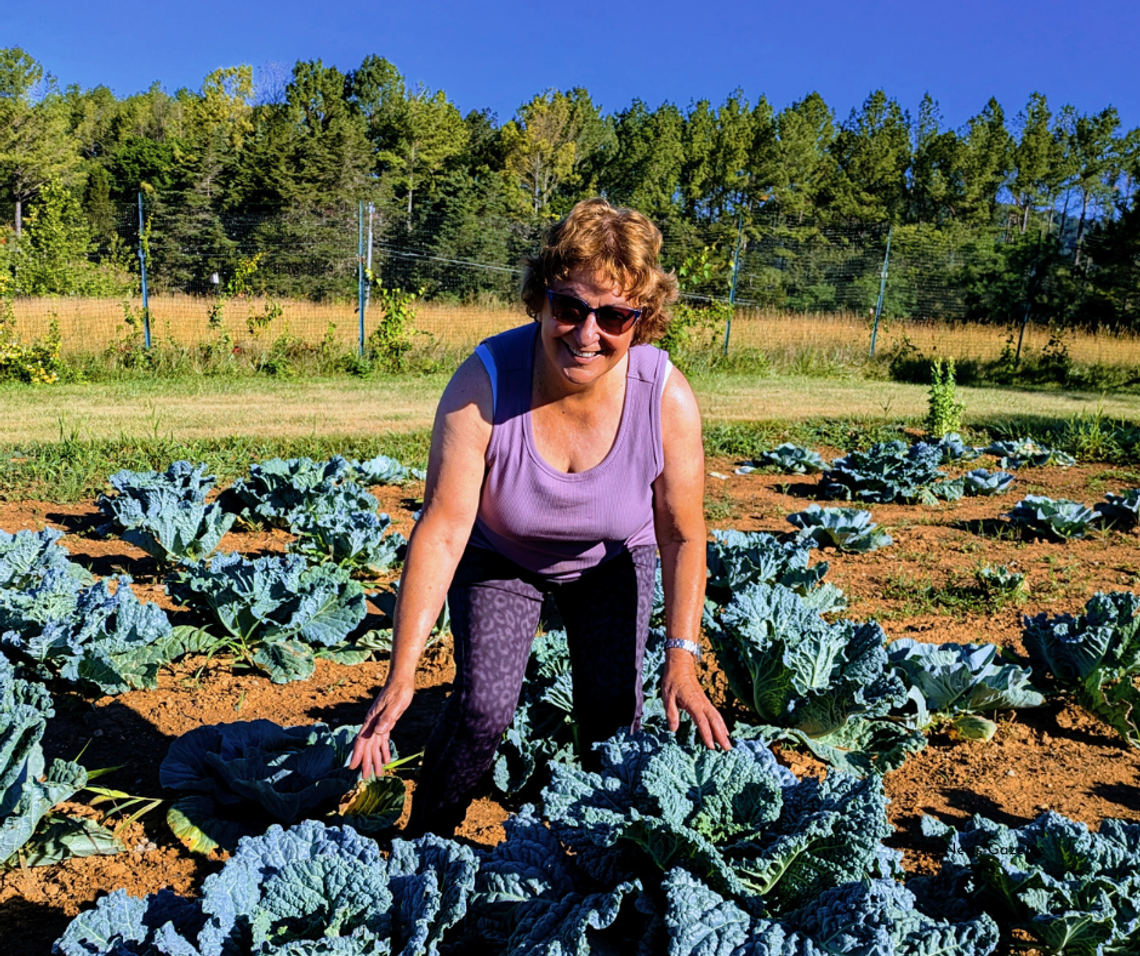
Rockbridge County is hitting summer on the heels of the worst springtime drought in decades, which poses a challenge for lawns and gardens across the county.
The News-Gazette spoke to two Master Gardeners, Marybeth Sharkey and Cynthia Roberts, to get into the weeds on how to keep plants healthy.
1. Have your priorities straight “Conserving water so that you can keep your most valued shrubs alive is the best way to strategize,” Sharkey said.
Trees and shrubs planted more than three years ago have had time to develop extensive root systems. Sharkey said this means they can go into hibernation and tap into deep groundwater reserves during a drought.
Instead, focus water on woody plants that were planted within the past three years. They haven’t grown their roots as deep and could die if they don’t get enough water.
Sharkey also said to worry less about watering the grass.
“I know everyone likes a green lawn, but it shouldn’t be your highest priority,” she said.
2. Know which plants need more water Sharkey said not all plants are created equal. Annual plants, which only flower once, tend to require more water than perennial plants, which live for multiple years. She said perennials may be the better choice to plant this year.
Same goes for native plants, which tend to be more adjusted to Virginia’s climate and need less water.
In the vegetable garden, Sharkey said that 1 to 2 inches of water per week is a good base rule.
But that can vary based on the type of vegetable. Tomato, okra, cucumber and root vegetables like carrots and turnips are all drought resistant, according to the Master Gardeners. These plants can be watered slightly less frequently.
Lettuce and spinach, on the other hand, might require more attention.
“When you look at a vegetable and it’s soft and fleshy, it’s gonna require more water,” Sharkey said.
3. Set your plants up for success Putting mulch over the roots of trees and shrubs can help to keep them cool and limit evaporation. Sharkey said mulch can cut down water demand by 20%.
Making sure a garden is shaded also reduces the need for water. Sharkey said gardens that experience more sunlight require more water. Moving a garden to a shadier spot can help with conservation.
Rogers also said to make sure the garden is on flat ground. If it’s on a slope, water will run downhill and away from the plants that need it.
4. Fight off fungi
Sharkey said the most likely killer of plants in Rockbridge County isn’t drought — it’s fungi.
If soil remains wet overnight, fungi and plant diseases will thrive. That’s why it’s important to water earlier in the morning, according to the Master Gardeners.
Another way to prevent fungi from taking over is to avoid using a sprinkler, Rogers said. Sprinklers tend to allow for excessive moisture buildup. They’re also just not efficient.
“The problem is there’s a lot of wasted water,” she said.
5. Stay away from fertilizers
Sharkey said fertilizers — even if they’re organic — can hurt plants during a drought.
Fertilizers are typically chemical salts, which means they will remove moisture from plant roots. They also contain nitrogen, which places additional stress on plants.
“That’s a double dip to increase the damage caused by drought,” Sharkey said.
6. Observe and ask questions
“When you’re going through a drought, you have to rely on your ability to look and observe and respond to what you’re seeing,” Sharkey said.
The Master Gardeners said they recommend taking time during the morning to look over gardens or other plants. Leaves drooping or turning brown is a good sign a plant needs more water. -For more specific advice, contact the Master Gardeners by calling the Virginia Cooperative Extension at (540) 463-4734 or emailing [email protected]. You can also visit the Extension office at 150 S. Main St. in Lexington on Mondays from 10 a.m. to noon.