Lincoln Agonized Over Privateer’s Death Sentence
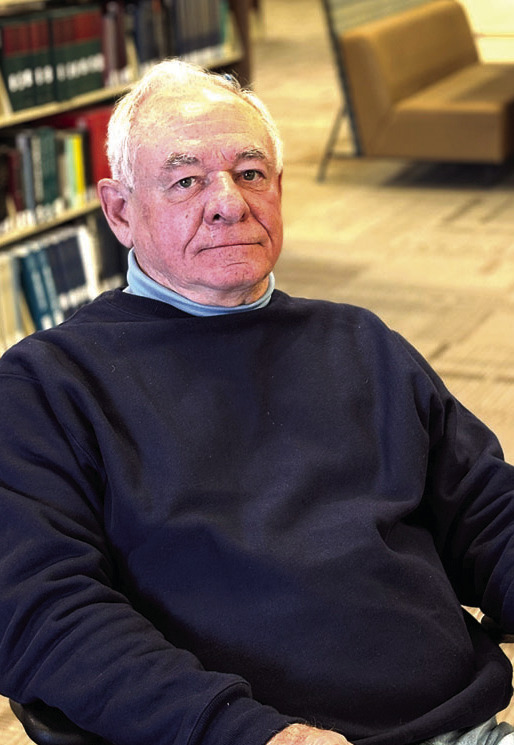
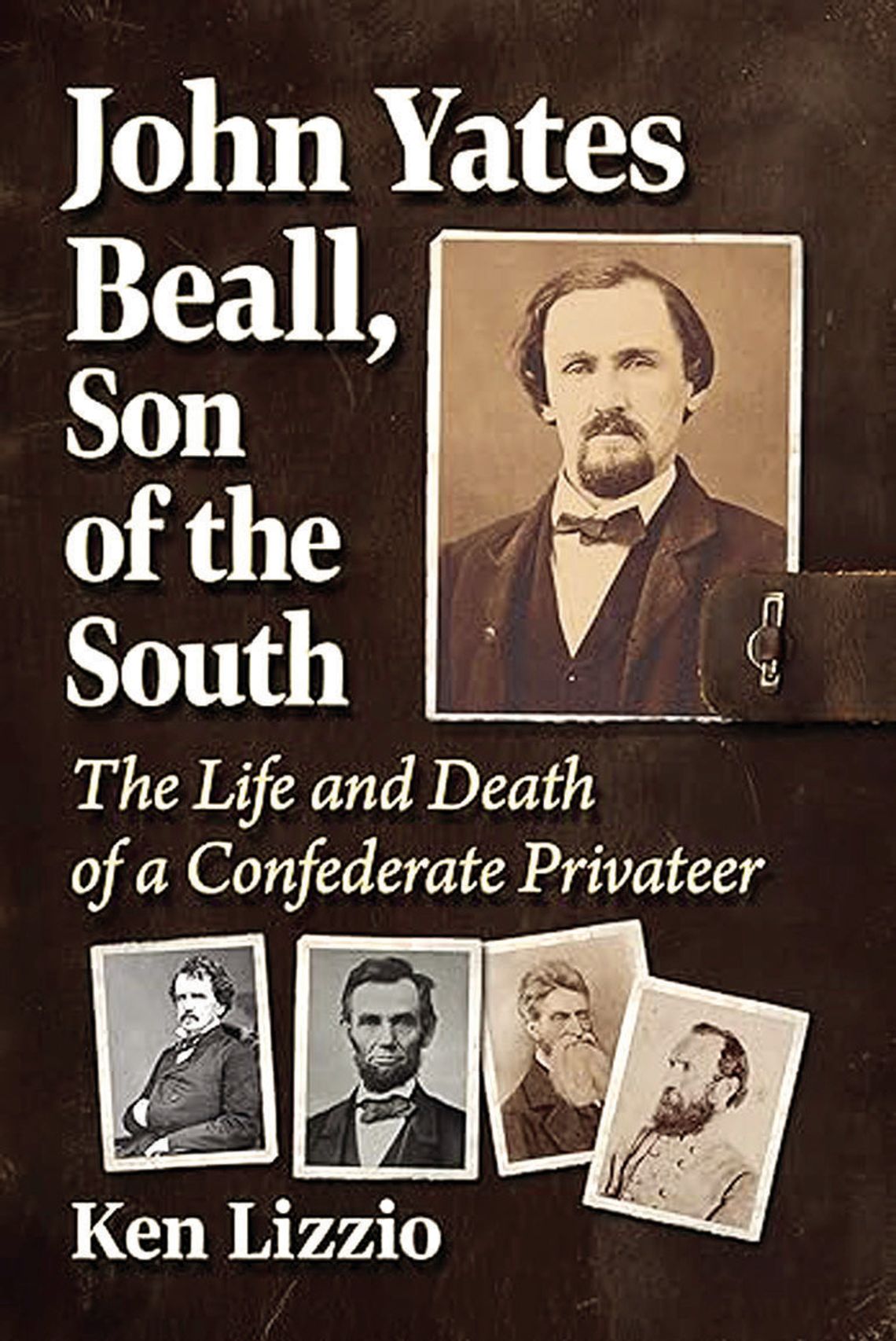
Lexington resident Ken Lizzio recently published a book entitled “John Yates Beall, Son of the South: The Life and Death of a Confederate Privateer.”
Beall, a Confederate soldier whose execution President Lincoln upheld despite appeals for clemency from his staff and dozens of Washington politicians, was a scion of a prominent Virginia family. Wounded while fighting with Stonewall Jackson’s legendary brigade, he fled to Canada intending to sit out the war.
Beall found a way back into the war that did not involve the killing he came to abhor, engaging in privateering on the Chesapeake Bay. Captured and released in a prisoner exchange, he made a daring attempt to free Confederate prisoners on Lake Erie’s Johnson’s Island. While passing through Niagara Falls, he was arrested. This time there would be no reprieve — he was falsely charged with espionage and sentenced to be hanged. Lincoln anguished over his decision to uphold Beall’s sentence, knowing full well he was sending an innocent man to his death.
As this book describes, Beall’s story is full of pathos that blurs the lines between right and wrong in a war that lingers in the American imagination to the present day.
A former professor of anthropology and Middle East studies, Ken Lizzio has taught at several universities in the U.S. including Virginia Military Institute. He holds a doctorate in Near Eastern studies with a specialization in Sufism. His book “Embattled Saints,” an ethnography of a Sufi order in Pakistan, was runner up for the Ben Franklin Award in 2014.
His path to writing his latest book was unusual for him.
“Of the eight or so books I’ve written (some are yet to come out), I always came up with my own ideas,” Lizzio said. “This book, however, was different. When I first moved to Lexington six years ago, I went into Special Collections at W&L library in the hope of finding something but I came up short. So I approached one of the librarians who first suggested I look at the Mier Expedition in Texas. Irony of ironies, I had just written a book on that very subject! He then suggested John Yates Beall. After doing a bit of research I saw that Beall’s tragic story was indeed interesting and, at the time, had never been told.”
The timing of writing a book on a Confederate, though, proved problematic.
“As it turned out I was writing the epilogue in the VMI library the day that Stonewall Jackson’s statue was taken down. A bad omen. It was a time when Confederates were in particularly bad odor after the Charlottesville riot so I put it aside thinking there would be no interest in the subject. Or rather, no publisher.
“Since then,” he continued, “a number of books have appeared about some of Beall’s military exploits, though no complete story of his life. So in a month I found a publisher last fall which was excited about the book.”
Lizzio said it ordinarily takes him a year to write a book, “usually working from primary texts that these days can be found online, that is if you know what you’re looking for and know where to look.”
“Beall was born here in the Valley and served in the Stonewall Brigade for a time so I felt particularly close to the subject and places where they marched. Background research on the Civil War was conducted in the W&L library, which as you can imagine, has good holdings on the Civil War.”
Prior to his writing career, Lizzio served in over a dozen countries in Africa and the Middle East as a democracy and governance specialist with the U.S. Agency for International Development.