Del. Terry L. Austin of Buchanan is seeking reelection to the House of Delegates, representing the 37th District, which includes parts of Rockbridge, Alleghany, Bath, and Botetourt counties, as well as the cities of Lexington, Covington, and Buena Vista.
Austin, who has served in the House for 12 years, said his decision to run again stems from a desire to ensure that “the taxes we send to Richmond come back home to benefit our communities and quality of life.”
“As your delegate, I represent four counties and three cities, while Fairfax County alone has 15 delegates,” Austin said. “Seniority is a crucial counterbalance to the larger populations in Northern Virginia, Richmond, and Tidewater.”
As the ranking Republican on the House Appropriations Committee and a member of the conference committee that negotiates the state budget, Austin said his experience gives the district a voice “at the table when the most important budget decisions are made.”
If reelected, Austin said his top priorities will include continued improvement of Interstate 81, promoting the Virginia Horse Center as a driver of tourism and agricultural business, and expanding economic development opportunities across the district.
He pointed to Virginia’s current fiscal strength as evidence of sound governance, noting that revenues have exceeded forecasts and the state maintains strong reserves and a AAA bond rating.
“The commonwealth ended the fiscal year with $5 billion in reserves, a $1.7 billion cash cushion, and a AAA rating,” Austin said. “By the end of Governor Youngkin’s administration, nearly $9 billion will have been returned to taxpayers.”
Austin said he supports using Virginia’s strong position to invest strategically while maintaining discipline.
“We should build on this strength by investing in workforce training, infrastructure, and mental health, while continuing to return money directly to taxpayers,” he said. “At the same time, we should continue auditing programs, cutting waste, and modernizing government to streamline core services.”
On education, Austin said K–12 schools must prepare students for both the workforce and higher education. He voiced support for Gov. Glenn Youngkin’s Executive Order 33, which calls for a “bell-to-bell” cell phone-free policy in public schools, and emphasized the need to address chronic absenteeism following pandemic disruptions.
“We’ve seen the impact COVID closures have had on our students, and it is critical that absenteeism be minimized to the fullest extent possible,” he said.
In discussing rural health care, Austin highlighted the Blue Ridge Partnership for Health Science Careers as an example of a successful local initiative.
“It identifies areas of need and engages students already interested in the field, as well as those who may not yet realize they have a potential interest in health care,” he said. He added that expanded broadband access is playing a vital role in enabling telehealth options for patients who cannot easily travel long distances for care.
Economic development, Austin said, depends on creating the right conditions for business growth.
“It’s critical for localities to identify areas of opportunity and, where possible, consider developing pad-ready sites to attract large industry,” he said. “The expansion of broadband access also helps enable people to live and work locally when they might otherwise be unable to do so.”
On broader statewide issues, Austin described himself as a defender of “constitutional rights and the sanctity of life.” He said that while “diversity in viewpoints is healthy for our democracy,” he believes “merit should take precedence when considering applicants for education and jobs.”
Austin said he has long prioritized bipartisanship in his legislative work. “In the General Assembly, the majority of bills that are passed out of the legislature and signed into law are bipartisan,” he said. “It’s important to review a bill for what it is trying to accomplish and not who patroned it or what political party they represent.”
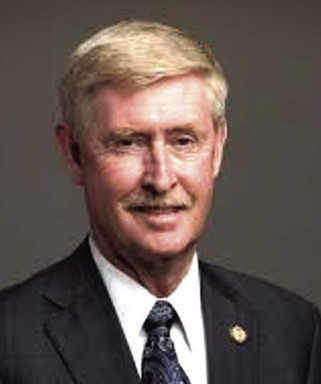
TERRY AUSTIN