Timley Top ics
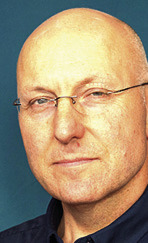
Tom Stanley, Extension Agent Opportunity Knocking
Beef cattle and the hay produced to feed them occupy most of the open land in Rockbridge and surrounding c ounties. M ost of this open land is owned by someone other than the stockman who tends the cattle and makes the hay. All the economic indicators are telling us that 2025 and 2026 are likely to be remembered as a historic opportunity to make profitable and long-lived investments in the health and stewardship of these pastures, hay fields, and the soils that lie beneath them.
The acute drought, the catastrophic storm event, the sudden reversal of agricultural markets are familiar. Investing in soil fertility along with planning and strategically placing infrastructure can build resilience to these events.
The current market for beef cattle is sounding a clarion call for landowner and stockman to come together and reach an understanding of the value of the investments that enhance our soils and empower our stockmen to be even better stewards.
Last week, Dr. Jim MacDonald retired USDA ag economist now with University of Maryland shared an in-depth outlook for the United States beef cattle markets at the annual meeting of the Rockingham Feeder Cattle Association. Dr. MacDonald’s compilation and summary of the efforts of University and USDA statisticians and economists showed that supply and demand fundamentals are pointing to a period of strong profitability for U.S. cow/calf producers extending at least through 2026 and perhaps longer.
Profit and cash flow projections based on current market prices in Virginia suggest cattle producers will have sufficient funds to make some improvements and investments in the coming months. The question is, what improvements and what investments?
Experience, observation and science all tell us that addressing the soil fertility of pastures and hay meadows does the most to underpin long run productivity and profitability of any given farm. Next, is the renewal of critical infrastructure, and in the case of grazing cattle, the chief infrastructure item is perimeter fencing followed closely by interior fencing and livestock water points.
Applications of lime to neutralize soil acidity that naturally develops over time, “banking” potassium and phosphorus in our soils, and fences all represent significant costs that can only be recouped over a period of four to 10 years. Here is where the conversation between landowner and farmer tenant is so very important to the protection of our soil, water, and agricultural infrastructure.
I urge landowners who host a stockman tenant to engage their tenant in a conversation about these investments. Does the stockman intend to be in the cattle business six or more years from now? If so, now is the time to prioritize these investments and secure the lease arrangements that protect both landowner and stockman.
The “hand-shake lease” has long been the most common stewardship arrangement for much of the farmland in Rockbridge, the handshake renewed every 12-months while critical soil and fence maintenance are often neglected entirely. The long-run health and resilience of our Rockbridge countryside is best served with well-structured lease arrangements that incentivize investments in soil fertility and fences that take years to recoup.
For assistance addressing long term stewardship needs for farmland you own or rent, or for details of Dr. MacDonald’s market outlook, send email to [email protected].