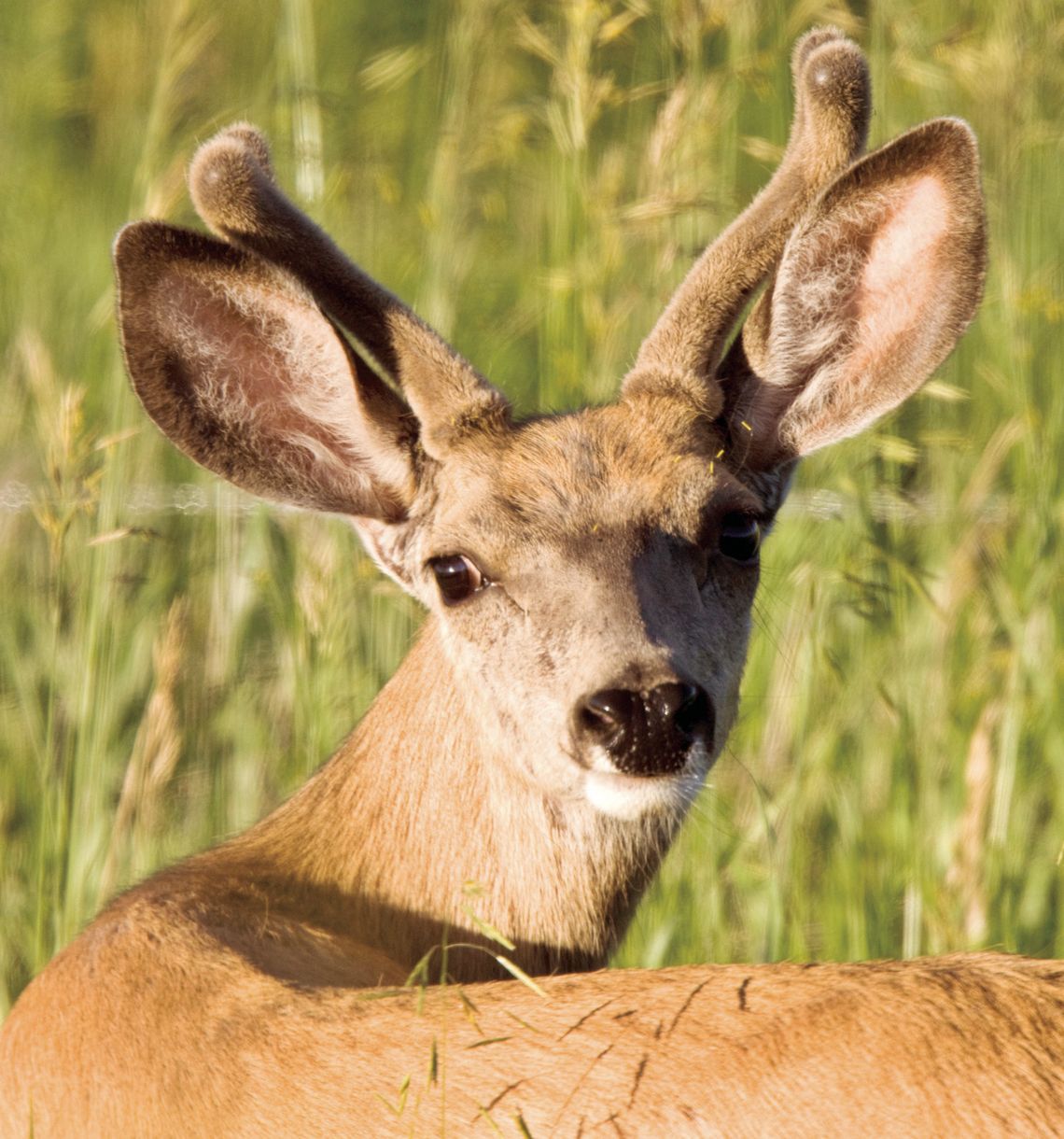
Fall hunting seasons are opening across Rockbridge County. Small game and furbearer seasons began in early September. Big game seasons open in October and November. The following summarizes official Virginia Department of Wildlife Resources (DWR) regulations for fall 2026 and early 2027. This applies only to Rockbridge County. For more information, please visit the DWR website or app.
Big Game Seasons
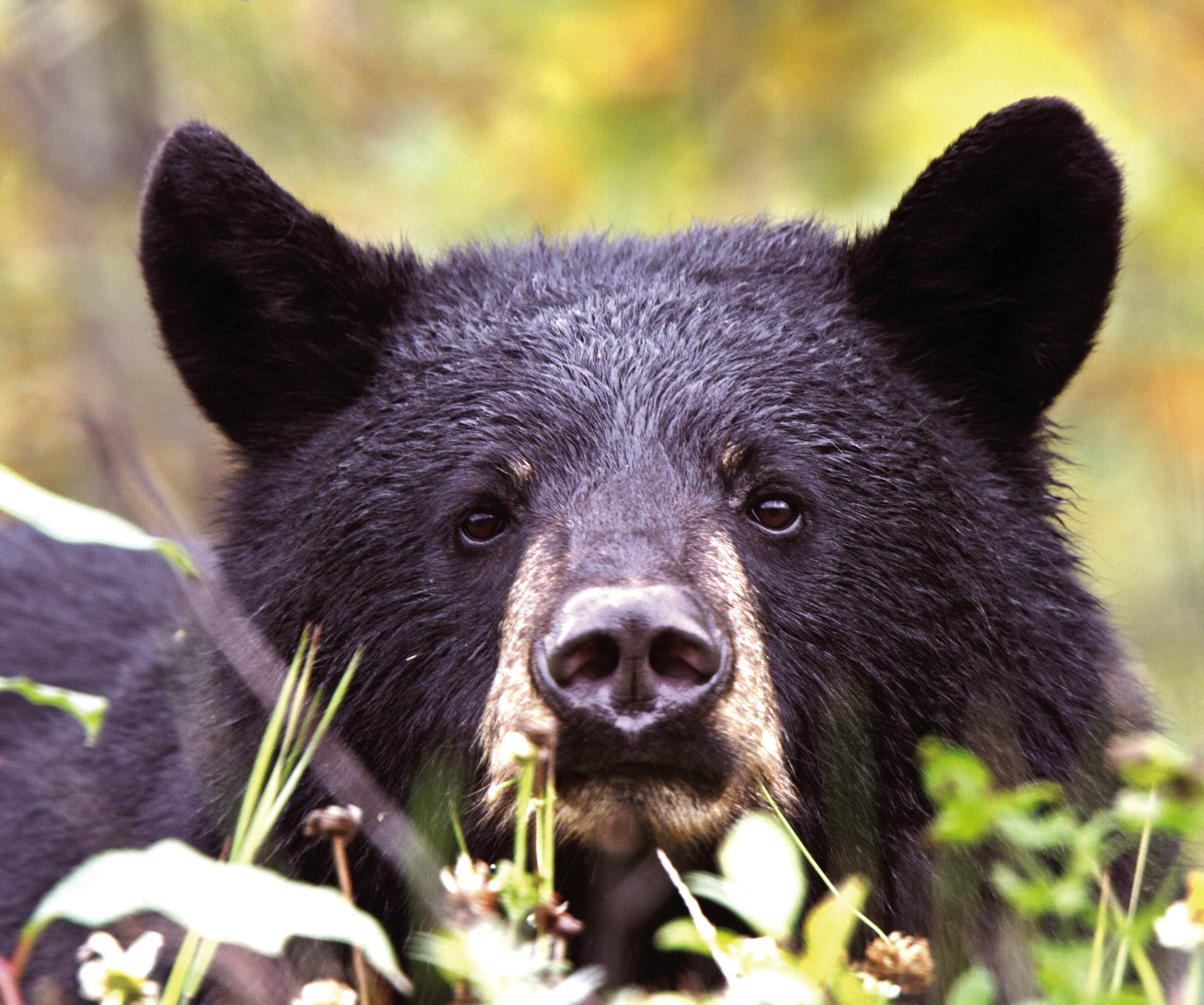
Bear
Bag limit: one bear per license year, at least 100 lbs. live or 75 lbs. dressed. Females with cubs may not be taken; observe carefully before shooting. Feeding or baiting bears is illegal statewide. Hunters must make reasonable effort to retrieve harvested animals and may not harm, cripple, or dislodge bears to continue a chase.
Bear Hound Chase Season: Aug. 1 to Sept. 20 (excluding Sundays) and Nov. 30 to Dec. 19. Please check the DWR website or app for specific chase season regulations and restrictions.
Dog Use Restrictions:
Tracking dogs are permitted, but dogs may not be used to hunt bears:
• On Sundays within 200 yards of a place of worship.
• Nov. 23 to 29 (counties west of the Blue Ridge, including Rockbridge).
• During archery or muzzleloader bear seasons.
Archery Bear Season : (Oct. 17 to Nov. 13): Archery tackle only (no slingbows). Broadheads must be at least 7/8” wide or expand to that upon impact. Explosive or chemically treated arrows are illegal. Firearms may not be used while archery hunting except by youth/apprentice hunters on designated weekends. Hunters with disabilities may use authorized arrow guns. Dogs may only be used for tracking wounded bears or by youth/apprentice hunters on Youth Weekend.
Muzzleloader Bear Season: (Nov. 10 to 13): Legal firearms include muzzle loading rifles (.40+ cal.), shotguns (≤10 gauge), pistols (.45+ cal.), and revolvers (.44+ cal.) firing a single projectile or sabot (.35+ cal.) loaded from the muzzle or cylinder front. Flintlock, percussion and electronic ignitions are allowed; scopes and pneumatic arrow guns permitted. Smokeless powder allowed only in guns designed for it. No other firearms may be used. Dogs may only track wounded or dead bears.
Firearms Season: (Nov. 27 to 29 and Dec. 21 to Jan. 2. Bears may be harvested using any lawful weapon within the incorporated limits of any town or city that allows bear hunting from Oct. 3 through Jan. 2. This season will not supersede local ordinances with respect to hunting or use of weapons.
Successful bear hunters must report harvests via GoOutdoors-Virginia.com, the Go Outdoors Virginia app, or by phone, and submit a bear tooth for aging. Harvest data will be posted nine to 10 months later on DWR’s website. Hunters needing assistance may call (804) 367-1000..
Black Bears With Mange: Hunter Guidelines Virginia hunters should take extra precautions when encountering black bears that may have mange, a contagious skin disease caused by mites. Signs include hair loss, crusty/scabby skin and unusual appearance, though field identification can be challenging. Avoid harvesting suspect bears; take photos, record locations and report sightings to the Virginia Wildlife Conflict Helpline ([email protected] or 1-855-571-9003) to help track the disease.
During bear training (chase) seasons, bears showing mange may not be killed. If a bear with mange is harvested during open season, hunters must tag and report it, but handling/removing the carcass isn’t required. Reports, including photos/location, should be sent to [email protected]; phone reports are accepted at 1-855-571-9003. Replacement tags may be issued if mange is confirmed.
Limit handling, wear disposable gloves, use Permethrintreated clothing, disinfect gear and wash hands thoroughly. If moving a carcass; double-bag the pelt or return it to the site. Hunters with dogs should consult veterinarians if contact occurs. For personal exposure concerns, consult a healthcare provider.
Visit dwr.virginia.gov to see DWR’s photo guide.
Deer Youth and Apprentice Deer Hunting Weekend: Sept. 26 and 27, statewide; youth hunters 15 and under or holders of a valid apprentice license, when complying with all applicable laws and licenses, may hunt when accompanied and directly supervised by adults over 18 with a valid Virginia hunting license or licensure exemption; legal deer hunting weapons are permitted; either-sex deer may be taken; antlerless-deer taken on this weekend are in addition to those taken under the youth/apprentice antlerless-deer regulation and on either-sex deer hunting days; deer harvested by youth/apprentice hunters count against daily/ season limit. Adults accompanying youth/apprentice hunters: don’t need a deer/turkey license on this weekend; shall not carry/ discharge weapons; shall maintain close visual/verbal contact with, provide adequate direction to, and can immediately assume control of firearms. Unless specified above, all other normal firearm deer regulations apply (e.g., blaze color, exceptions for firearms, daily and season bag limits, tagging and reporting, EAB, antler point restrictions, etc.).
Early Archery Season: Oct. 3 to Nov. 13, followed by late archery Jan. 3 to March 28 in Lexington city, Nov. 29 to Jan. 2 on national forest and department- owned lands, and Dec. 13 to Jan. 2 in the rest of Rockbridge County.
Early Muzzleloader Season: Oct. 31 to Nov.13, with either-sex deer allowed Nov. 7 on private lands only; all other days are antlered- only on private and public lands.
Late Muzzleloader Season: Dec. 12 to Jan. 2, with either-sex deer permitted Dec. 28 to Jan. 2 on private lands.
Regular Firearms Season: Nov. 14 to Dec. 12 and is eithersex throughout. West of the Blue Ridge, hunters may take two deer per day and five per license year, with no more than two antlered and at least three antlerless, except in cities and towns where the daily limit is unlimited but only two antlered may be taken per year. One deer per day is allowed on national forest and department lands. If two bucks are taken in a license year, one must have at least four points an inch or longer on one side.
Bonus Deer Permits: (valid one year) allow additional antlerless deer on private and authorized public lands during all seasons on either-sex days; they cannot exceed daily limits, and are not valid on national forest or department lands. Either-sex (“buck”) tags may be used for any deer, while antlerless-only (“doe”) tags are limited to antlerless deer taken on either-sex days. Antlered deer must have visible antlers above the hairline, and antlerless deer include does, button bucks, and shed-antlered bucks.
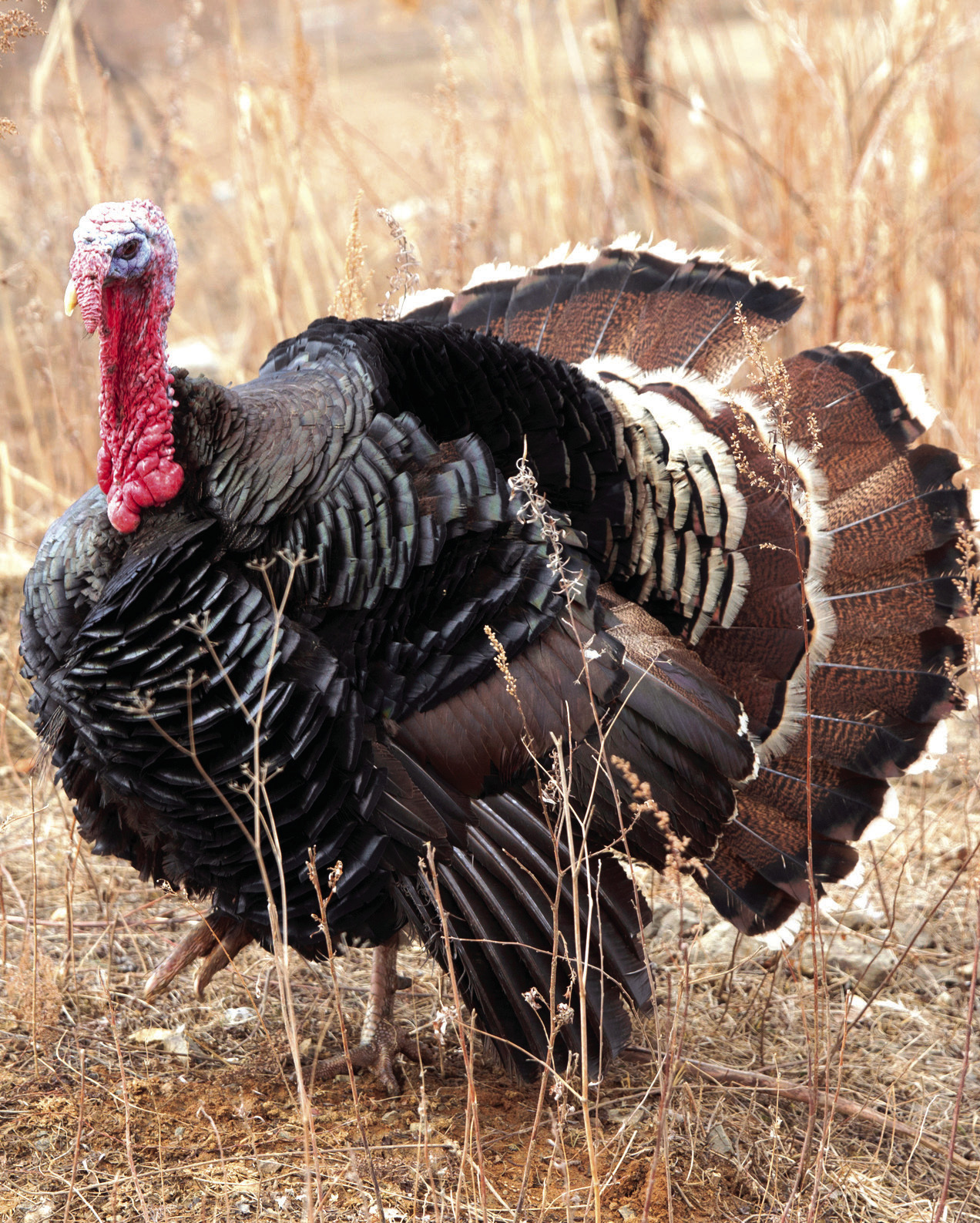
Turkey Archery Season: Oct. 3 to Nov. 13, 2026.
Youth/Apprentice Fall Turkey Weekend: Oct. 10 and 11, bag limit: one.
Firearms Season: Oct. 17 to 30, Nov. 25 and 26, Nov. 30 to Dec. 26, and Jan. 9 to 23. The bag limit is one per day and three per license year, with no more than two taken in the fall. Either sex may be harvested during archery and fall firearms seasons. All harvested wild turkeys must be reported through the DWR website, mobile app, or phone system.
During archery season, only archery tackle may be used; Hunters with disabilities may use an arrowgun with proper DWR authorization. Decoys and blinds are permitted. Broadheads must be at least 7/8 inch wide or expand to that size on impact. Dogs may only be used to track wounded or dead birds.
Elk
In all areas outside of Buchanan, Dickenson and Wise counties (Virginia’s designated elk management zone) During any open deer season, hunters may take one elk – bull, cow or calf – daily using weapons legal for that season, except sling bows and air rifles. Elk count toward deer bag limits: antlered elk toward either-sex (buck) limits and antlerless elk toward antlerless limits. DCAP, DMAP and DPOP tags may not be used.
Elk must be reported as elk under deer-reporting requirements. After receiving a confirmation number, successful hunters must call (804) 367-0044 solely to arrange biological-sample collection. Sex identity must remain intact until reporting. Elk may be dismembered for removal, but all parts except internal organs, including evidence of sex, must be present when reported. Otherwise, deer-hunting regulations apply outside the Elk Management Zone.
Small Game Seasons
Crow season runs Aug. 15 to Mar. 19 on Mondays, Wednesdays, Fridays and Saturdays, and Sept. 2 to Mar. 10 on National Forest and department-owned lands on the same weekdays. Crows are federally regulated migratory birds, but no HIP registration is required. Hunters may use unplugged shotguns, and electronic calls are allowed on private and public lands. Landowner permission is not required for electronic calls, except on posted property.
Groundhog season is open continuously on private lands and Sept. 1 to March 10 on National Forest and Department owned lands.
Grouse season is open Oct. 24 - Feb. 13. The bag limit is three per day.
Quail season is Nov. 7 to Jan. 31; bag limit: six per day. Quail season is closed on all public lands west of the Blue Ridge Mountains.
Pheasant season is Nov. 8 to Jan. 31. There is no pheasant bag limit.
Rabbit season is Oct. 31 to Feb. 28. The bag limit is six per day.
Virginia DWR is monitoring rabbit hemorrhagic disease virus 2 (RHDV2), a highly infectious virus affecting wild and domestic rabbits. First detected in North America in 2020, RHDV2 has not yet been found in eastern wild rabbits, but hunters should remain vigilant. Outbreaks typically involve three or more dead rabbits in a small area within seven days; rabbits often appear healthy, sometimes with bright red blood around the nose.
Hunters can help prevent spread by: reporting multiple dead rabbits to the nearest DWR office; properly disposing of harvested rabbits not kept for consumption via burial (≥2 feet), incineration, or double-bagged trash; fully dressing all out-ofstate rabbits before importing; and wearing gloves while handling rabbits, avoiding contact with pets until after showering and changing clothes.
Squirrel seasons: Gray and Red Squirrel season is Sept. 5 – Feb. 28. Fox Squirrel season is Sept. 5 to Jan. 31. The bag limit is six per day - all squirrels combined.
Furbearers Seasons
Bobcat Archery Season: Oct. 3 to 31; only archery tackle may be used, hunters with disabilities may use an authorized arrow gun with DWR physician documentation.
Firearms Season: Nov. 1 to Feb. 28, all firearms regulations/ restrictions apply.
The bag limit is two per hunting party between noon one day and noon the next. Dogs may not be used to hunt bobcats in Rockbridge County. Electronic checkin and cites tagging requirements apply; full details are available at dwr.virginia.gov/hunting/regulations/ furbearerhunting/#bobcat.
Coyote season is open continuously on private lands and Sept. 1 to March 10 on National Forest and Department owned lands. There is currently no Rockbridge County code regarding coyote bounty laws.
Fox seasons: Red fox firearms season runs Nov. 1 to Feb. 28; gray fox season runs Jan. 1 to Feb. 28. The bag limit is one per hunting party between noon one day and noon the next. Dogs may not be used to hunt foxes during the deer firearms season on the Gathright, Goshen, Highland and Little North Mountain Wildlife Management Areas or within the George Washington/Jefferson National Forest boundaries. Additional details on chase-only season and licensing requirements are available at dwr.virginia. gov/hunting/regulations/ furbearerhunting/#fox.
Opossum firearms season is Oct. 15 to March 10, statewide.
Raccoon firearms season runs Oct. 15 to March 10, with a bag limit of two per hunting party (individual or organized) between noon one day and noon the next. Lights may be used while hunting, provided they are not attached to or cast from a vehicle. The chase season on department-controlled lands west of the Blue Ridge and on National Forest lands where bear hound training is allowed ends Sept. 27. Full regulations on dog use, chase-only season, and licensing are available at dwr.virginia. gov/hunting/regulations/ furbearerhunting/#raccoon.
Striped Skunk season is open continuously on private lands and Sept. 1, 2025 to March 10, 2026 on National Forest and Department owned lands. Continuous closed season for taking spotted skunks, and the pelts of spotted skunks may not be sold.
Electronic Calls may be used for bobcats, coyotes, crows, foxes and raccoons only. On private lands, written landowner permission is required, except for crows. Calls may also be used on public lands where firearms are permitted, unless otherwise restricted. For licensing, regulations, concealed-carry exceptions, updates on legal methods for all seasons, visit dwr.virginia. gov/hunting/regulations.
As always, please hunt responsibly. Follow all regulations and plan hunts accordingly. Stay safe!