For those of us who work year round and no longer have the entire summer to goof off or spend at camp, this interview series is here to hopefully brighten up your day and bring some beauty into your inbox. Lexington is fortunate to have multiple art galleries full of beautiful and diverse art pieces. This interview series will feature one local artist a week, where we'll talk about their inspiration, their drive, and even their advice for anyone looking to let their artistic passion take form.
This week we get to talk to Tim McMahon. He is originally from Iowa and was able to create art the entire time he worked as an art teacher for 38 years. He didn't create art full-time until after he retired in 2016.
What kind of art do you create?
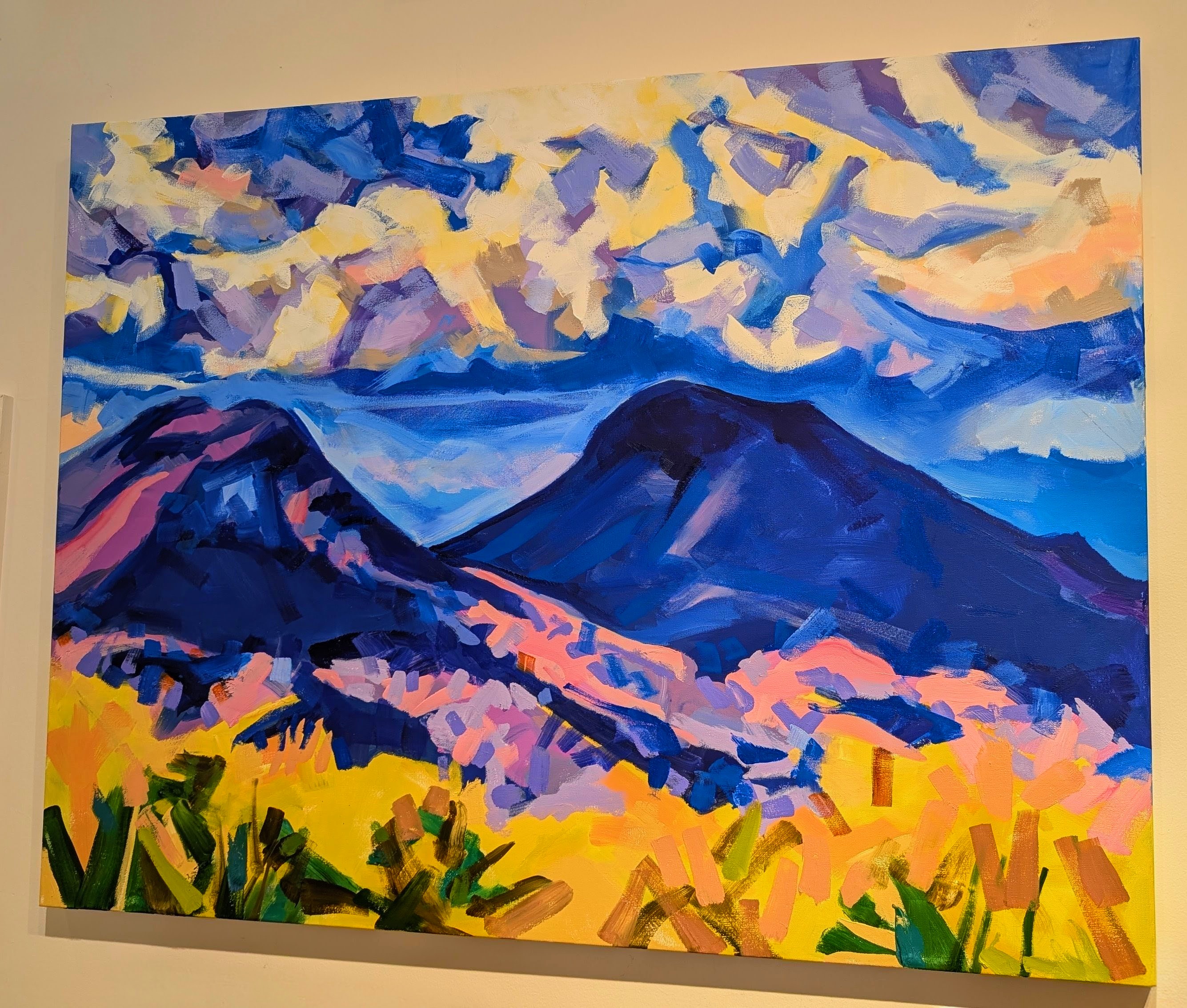
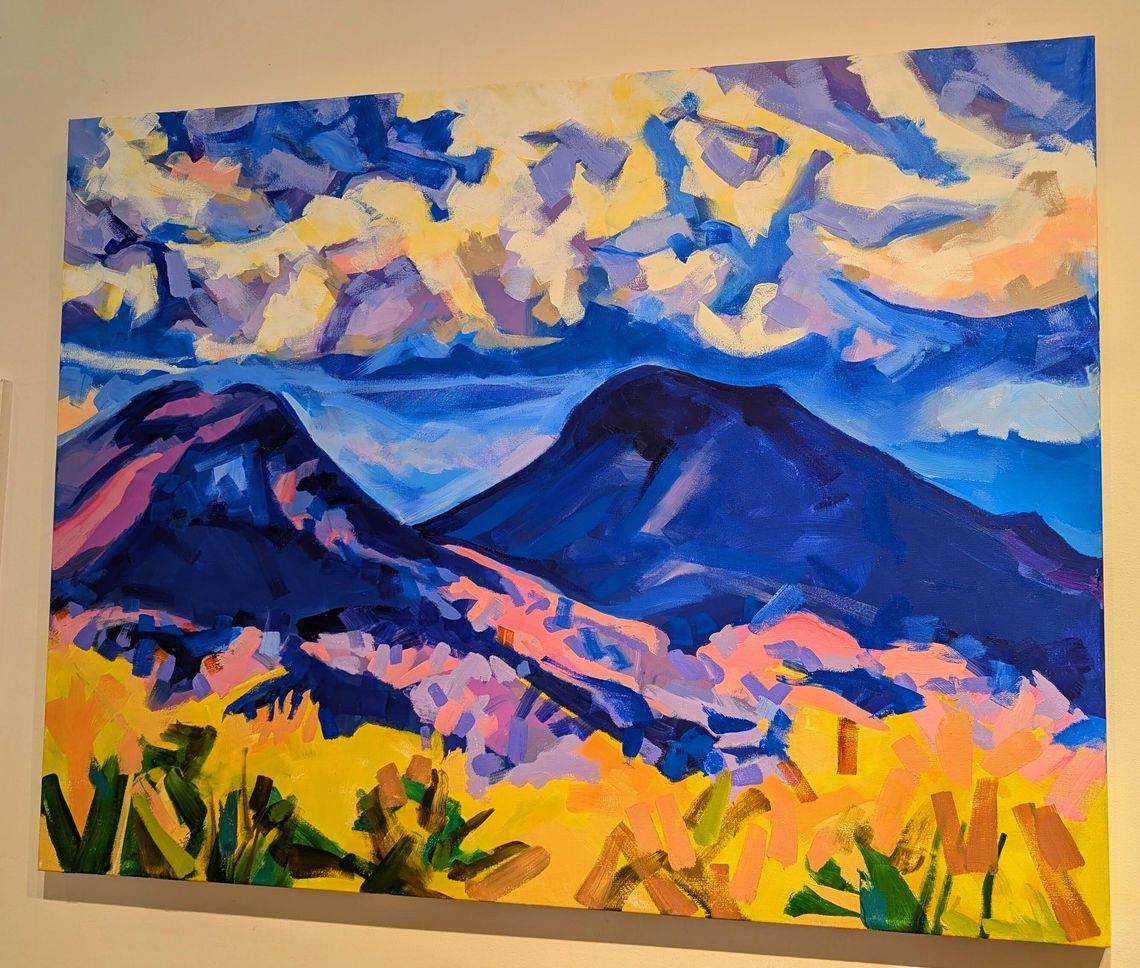
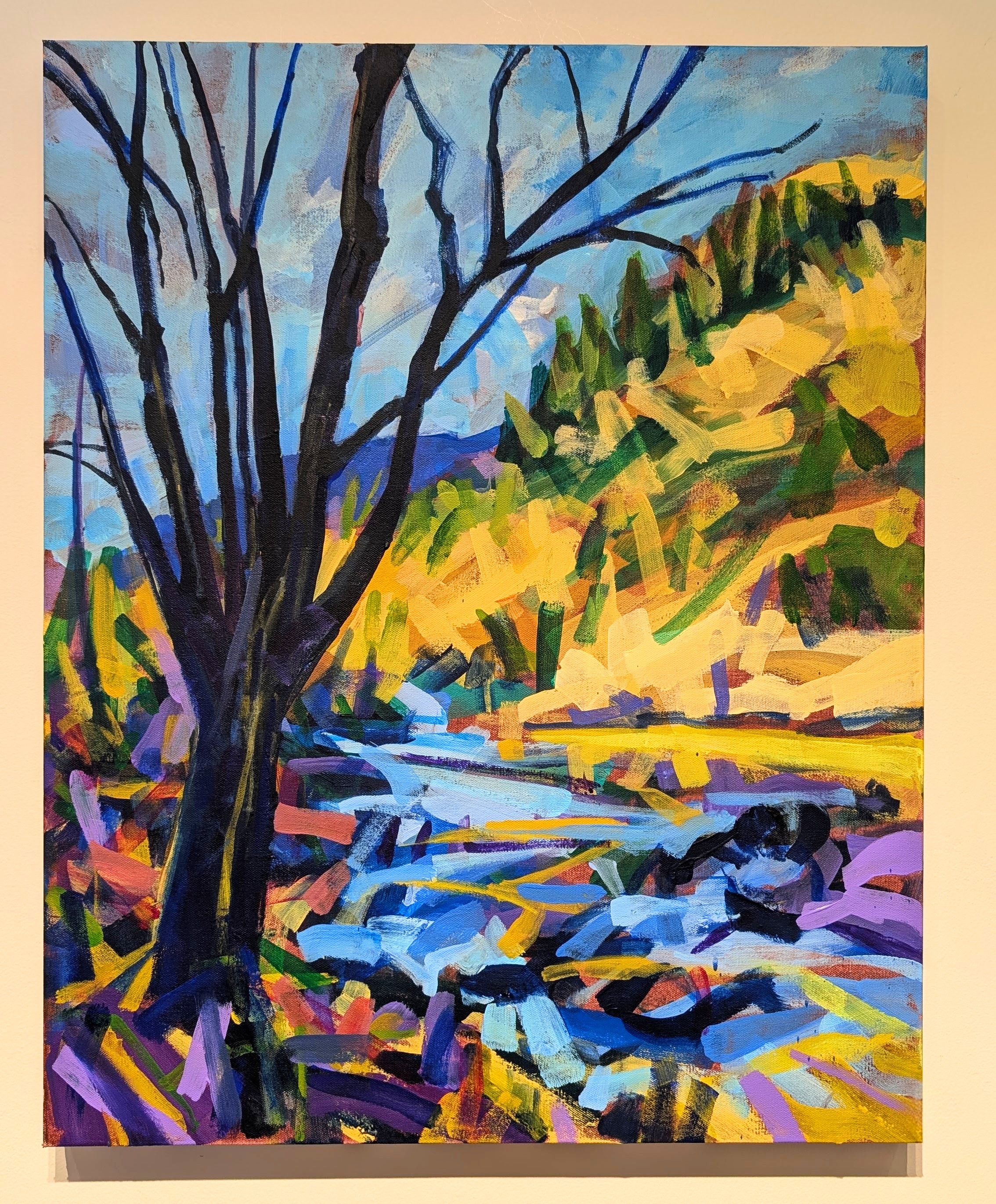
Primarily I'm a painter, typically of landscapes. I have family out west so I did a lot of work in the Rocky Mountain area. Then we moved here and I've started to do a lot of Virginia landscapes.
What inspired you to start creating?
Well that's a fairly difficult question. I wanted to do art when I was just a kid. I hadn't planned on majoring in art when I got to school but then I just started doing it. It just grew from there. I had some excellent instructors in college. It seems counterintuitive; I know it did for my parents that, you know, I was studying art instead of business or something like that. But I've been living all these years with art so I think it was the right thing.
What inspired me? It was album covers. I saw the album covers when [during the] late '60s, early '70s and I was inspired by that, by what they were doing. It made me want to do something and made me want to work at it. The LPs were a large format, not like CD covers, so they were larger and they put stuff on the inside of the album covers. It just was a really interesting and very creative kind of use of color and subject matter.
What motivates you to keep making your art?
Well, I feel like it's in me, you know, it has to come out. That's really part of it. I just have this desire to do it, to use our materials, to mix color, to apply it. I can't really explain it but it's almost like I was meant to do this.
One thing I would like to say is that my wife has been very instrumental in encouraging me to continue to paint. She's also a painter; she's also in Artists in Cahoots. We kind of do that for each other, kind of encourage each other. We'll put a half-done piece in front of the other person and say, “Where should I go with this? How am I doing with this?” So we both have the vocabulary to be able to do that, to help the other person make the best of what they're doing. That's been really important for me, especially after I retired.
Are there any artists you take inspiration from?
Cezanne, but I'm also inspired by the abstract expressionist, particularly Willem De Kooning. He's working in non-objective work (no objects, totally abstract) but it's the brush work, it's the action of the brush that I get from him. So really it's Cezanne and De Kooning that are my inspiration.
The thing about those types of art [the Renaissance], they were concerned with form, they were experimenting with the use of oil paint, but it wasn't about expressing, you know? When I paint a landscape, I don't want to just show how it looks. I want to show the viewer how it feels. I want the emotion to come through.
What sorts of feelings or ideas do you express in your art?
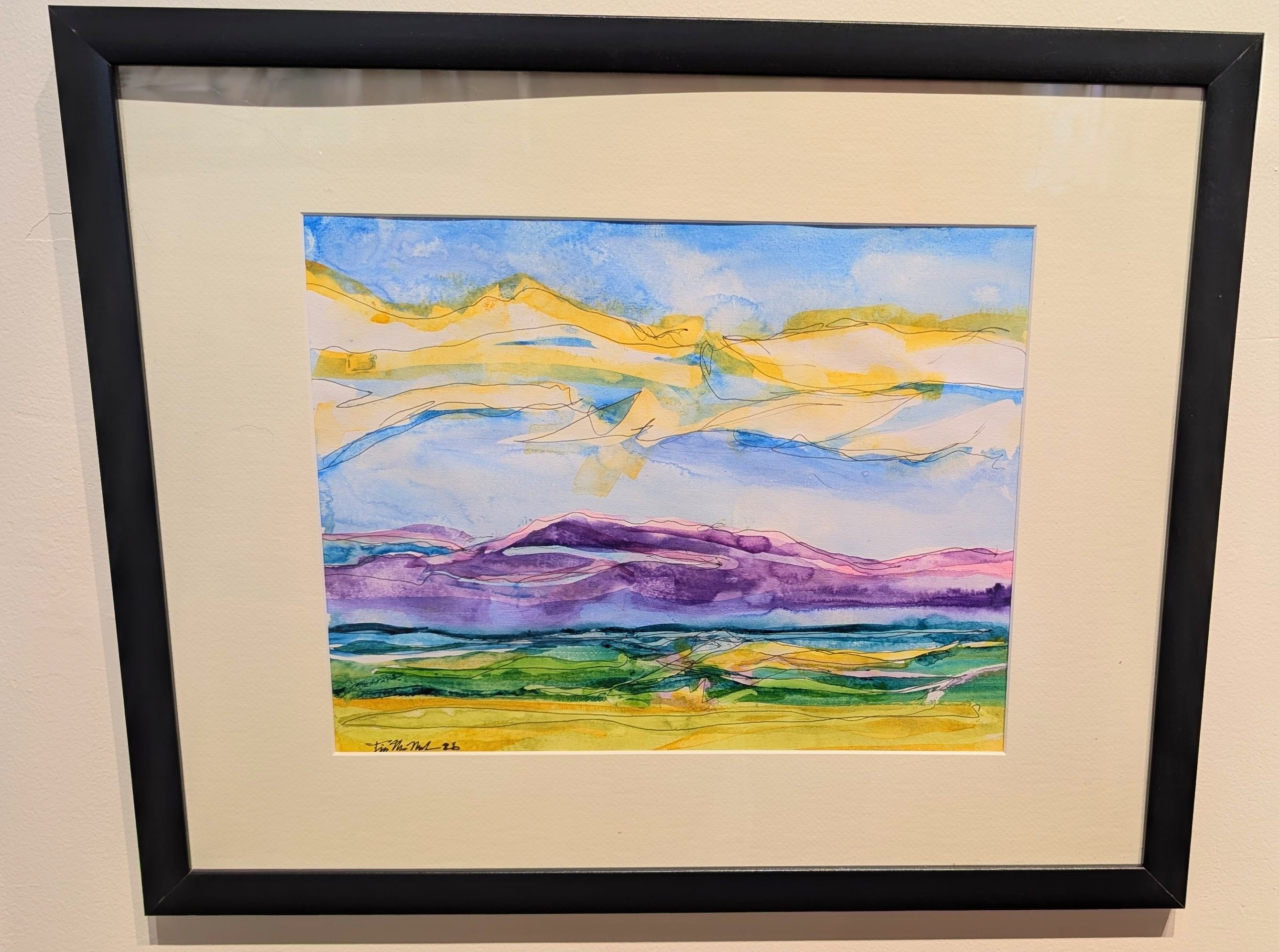
Well, a lot of it is about color, color interaction. It's all about making the medium, oil paint or whatever it happens to be, making that into something concrete. Like for instance, if I'm painting a local landscape, I'm concerned with the color but I'm also concerned with the shapes, the form, the 3D forms. And the brush work is really important because it creates a sense of movement in the painting so they're not still. They kind of have some of the energy that you get when you look at a landscape. Obviously I exaggerate the colors because I'm not just concerned with painting a picture but an impression of what that feels like, what it looks like.
How does it feel when someone buys your art?
Well, it's affirming, you know? I liken it to if you're breeding dogs and you find a good home for those puppies. That's kind of how it feels to me. It's a part of me, this thing that I made, but I like it when people respond and want to have it in their house. So in a sense I feel like it'll be with them for a long time.
Typically, I have paintings that I did 30 years ago and people still have them in their homes. It's real affirming. It's like, I must be doing something. I do have quite a bit of inventory that hasn't sold but I think it's partly because people haven't been able to see it. In Artists in Cahoots, people come and they're attracted to one or more of the 2D artists that are on the wall. So if somebody comes in and they respond very directly to the work, it's hard to explain, you know? You said that you saw the work and were interested in it and that's it. That's what I want. I want someone to say, 'Oh yeah, I get this, I like this.'
If you read biographies of artists, you get a lot of that, how people came to it, how he was almost genetic in them, to do this thing. I can't really explain it but that's kind of how I feel. It's something that, even if I wanted to stop, I can't really do it. So there's that emotional push to create.
The more I've gone to museums and the more art I've seen, the more interesting it becomes for me because I know I don't have to reinvent the wheel, I know it's already been done, but I feel like the work that I do is different from what other artists have done. I built on the backs of some of these giants of art but my work is completely different. It's original. I'm looking for someone to have a visceral response to the work. I wanted to speak to them, I wanted to attract them. And it doesn't always mean I sold work but it does mean that people respond in a positive way to it.
Do you have any advice for aspiring artists, at any stage of their lives?
Yeah, they just have to do it. They just have to spend time doing it.
What I tell people who are interested is: you have to have a place set up where you don't have to clean it up every time, where you can just walk in and do it. That's a really key thing a lot of people don't have a room, or don't think they have the room, but you need to have that space to be able to go in and work it.
And people say, 'I don't feel like I particularly have talent.' I think it's just dogged determination to do it. It's the repetitions of doing it over and over again that make it possible, and then at some point you start to have some confidence.
The really interesting part is there's been times when I made these works and it's almost as if someone else did it. Like, when it's done, I don't recognize that I did this thing even though I know I did. It's like it comes from somewhere else, it comes from some psychological place. That's the magic of it. But the main thing I'd say is you just have to do it. Don't talk about it, just do it.