The Origins Of W&L
So When Did W&L Start?
New Series Explores Early Years
Editor’s note: Welcome to a new series about the first half century of Washington and Lee University’s history written by Larry Spurgeon. The series is divided into five parts and will be published periodically this summer. A more detailed version of each of the stories will be available on our website as the series progresses. This first part covers the first two decades and two grammar schools that are considered precursors to W&L.
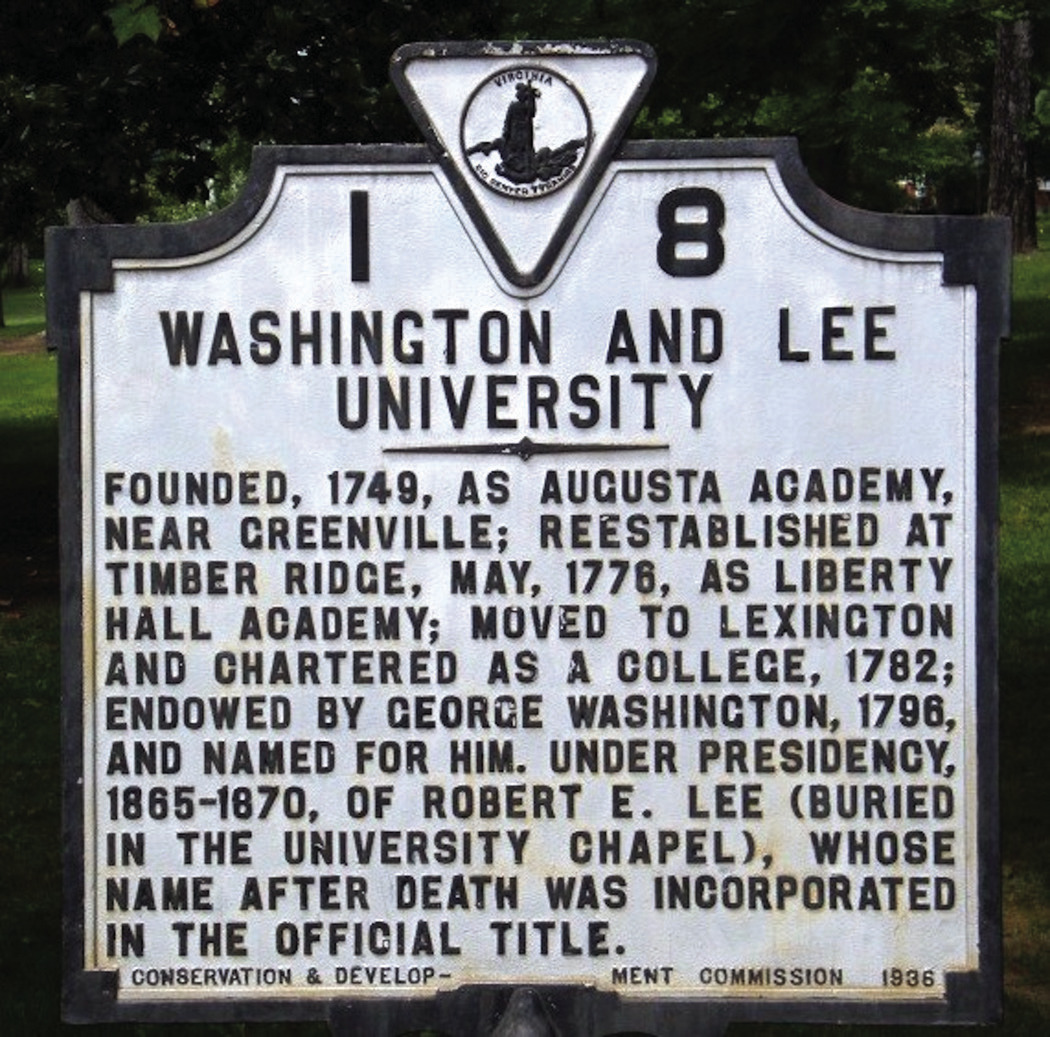
W&L is a top-tier liberal arts university with a prestigious law school and an endowment of more than two billion dollars. Like most colleges, it has a humble creation story. The university’s website boasts that it was “Founded in 1749 as Augusta Academy,” by Robert Alexander, near Greenville, making it the “ninth-oldest college in the United States.”
This claim did not emerge until after the Civil War, as noted by Dr. Ollinger Crenshaw, alum and professor, and the leading authority on W&L’s history. A 1,200 page typescript for his 1969 book, “General Lee’s College: The Rise of Washington and Lee University,” has an appendix called “The Problem of the Origins.” Crenshaw observed that from 1820 to the end of the Civil War, the college “officially placed its origin” from 1774 to 1776, but from the 1860s forward it claimed 1749.
“The whole picture of the schools from about 1749 to the 1770s is unsatisfactory; the links are not strong or clear,” Crenshaw wrote. From his investigation of materials in the “Library of Congress and elsewhere” he concluded that “the institution had adhered to one version of its history (prior to 1865), and to another in the post-bellum era.” The swerve about the founding date has been the subject of controversy, with some suspecting nefarious motives. The more likely explanation is less dramatic post-war nostalgia coupled with the discovery of a mysterious “note” in the school’s records.
The traditional narrative of W&L’s evolution involves at least four academic institutions. It is a tale with twists and turns, and a colorful cast of characters, some famous and others long forgotten.
Robert Alexander’s School The few facts about Robert Alexander’s early life come from an 1845 letter by his great-nephew, Dr. Archibald Alexander, the founder of Princeton Seminary. He traced the family to Scotland, and then to County Donegal, Ireland, where Robert Alexander was born about 1710.
In 1737, Robert and two brothers emigrated to Pennsylvania. Archibald and Robert relocated to Augusta County in 1746, and Robert first appeared in county records that year, serving on a grand jury. Governor Gooch issued a commission the following year to elect 12 “of the most able men of the Parish to be sworn a Vestry,” and Robert was chosen. Modeled on the governance structure for the Church of England, the vestry is equivalent to the board of supervisors today.
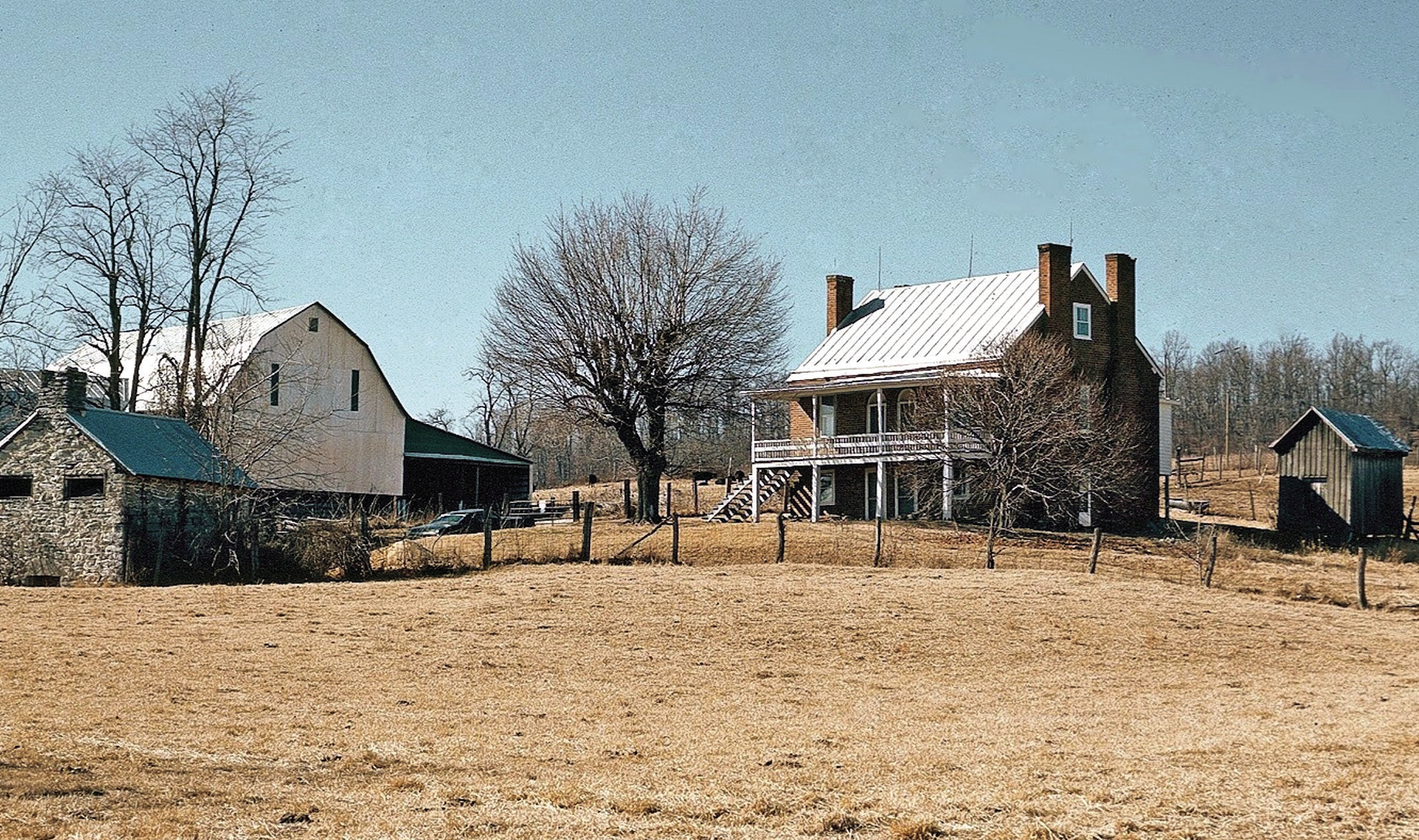
Archibald Alexander received a Borden grant near the junction of Irish Creek and the South River in 1747, and later served as sheriff. His son William, the father of Dr. Alexander, owned a farm west of Lexington, the site of W&L’s campus. Robert purchased a 314-acre farm in the Beverley manor, on Almo Chapel Road, about a mile and a half north of Spottswood in southern Augusta County, just west of, and visible from, Interstate 81. The present house, built about 1827 by Robert’s son James, is on the National Historic Registry.
Dr. Alexander wrote that his great-uncle operated a “classical and mathematical school,” that was “the first in that part of the valley.” The only contemporaneous source about Robert Alexander’s role as teacher is a court record in 1751, mentioning a payment “for schooling, James and Robert McNutt,” orphans of James McNutt.
It is not known how long Robert Alexander operated the school, but he resigned as vestryman in 1760 because a “lingering sickness hath long disabled me.” An 1850 sketch about the Rev. Samuel Doak, the founder of two colleges in Tennessee, mentioned that at 16 Doak “commenced a course of classical study with Mr. Robert Alexander, who resided about two miles from his father’s house.”
Doak was born in 1749, so if he studied under Robert Alexander, it was no sooner than 1765. Robert Alexander died in 1783, leaving a will that mentioned his wife Esther, two daughters, six sons, and four enslaved people.
Rev. John Brown’s School By tradition, Robert Alexander’s school was taken over by the Rev. John Brown.
The Rockbridge County News reported in 1890 that Brown became the “guardian of the academy” in 1762. No primary sources document how long Robert Alexander operated his school, or whether there was a direct connection to Brown’s school. All that is certain is that by the 1770s Brown ran a school at Mount Pleasant, near the 250-acre farm he purchased in 1755.
Born in County Londonderry, Ireland, about 1728, Brown came to America as a young man. In 1749, he graduated from the College of New Jersey, later renamed Princeton, where most Presbyterian ministers were educated. Brown was then sent by New Castle Presbytery as a missionary to Virginia.
The first Presbyterian congregation in the area was organized in the early 1740s, called the South Meeting House, a mile west of Spottswood. Soon afterwards the congregation split into two groups. Old Providence remained at the original site and New Providence moved six miles west. A Presbyterian church formed at Timber Grove was moved south to Timber Ridge in 1746. The Rev. Brown was appointed the pastor of both New Providence and Timber Ridge in 1753. The village of Brownsburg is named for him, and he owned two of the first lots.
John Brown married Margaret Preston and they were the progenitors of an impressive family. All five sons went to Princeton and two became United States senators, John Brown Jr. from Kentucky and James Brown from Louisiana.
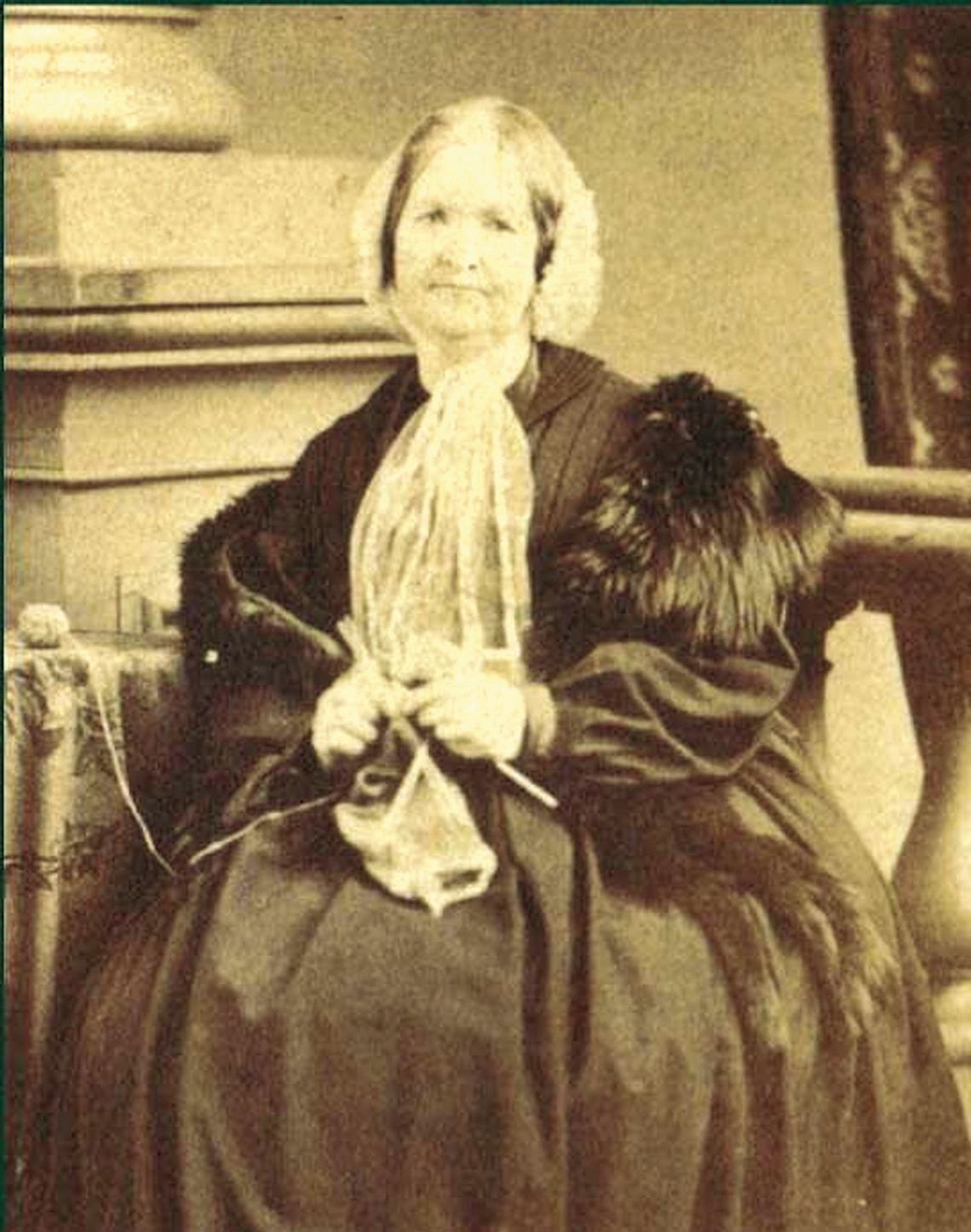
A grandson, Benjamin Gratz Brown, was governor and senator from Missouri, and the Democratic vice-presidential candidate in 1872. Their daughter, Mary Brown, was married to Dr. Alexander Humphreys, who led a medical school in Staunton. In 1826, their daughter, Elizabeth “Betsy” Humphreys, married Robert Todd, a widower in Lexington, Kentucky, becoming stepmother to his children, including 8-year-old Mary. In 1839, Mary Todd went to live with her sister’s family in Springfield, Illinois, perhaps because, it is sometimes claimed, she did not get along with her stepmother. She was courted by two ambitious young lawyers, Stephen Douglas and Abraham Lincoln. Fortuitously choosing the latter, she later became first lady of the United States.
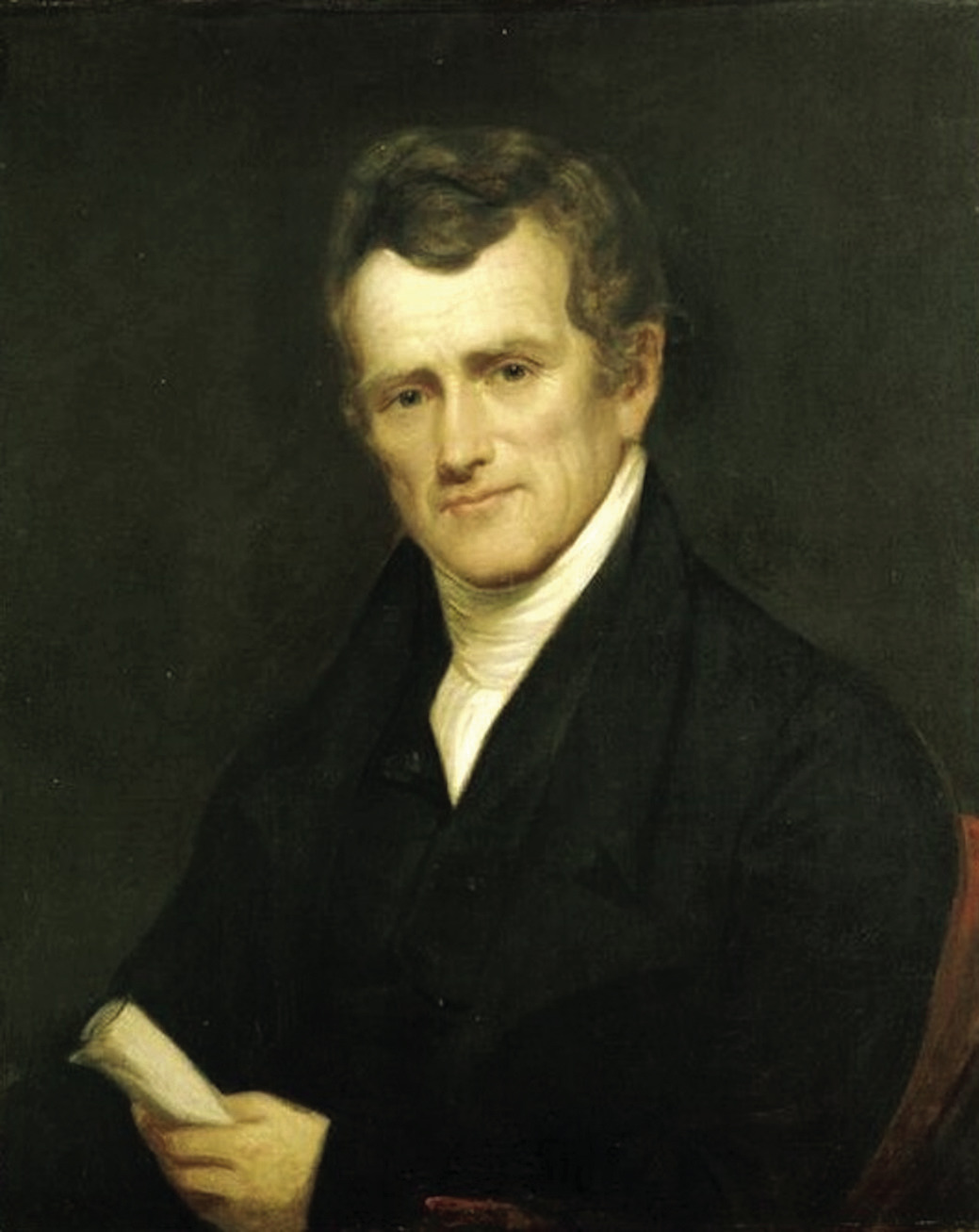
The earliest documented reference to Brown’s school is found in a letter to his brother-in-law, Col. William Preston, in 1773: “I am very busily employed in my old-age more than I have been since I was a boy; overseeing the School and sometimes hearing classes.” In 1774, Brown informed Preston that “Our school flourishes,” with 23 students attending.
In 1890 Judge James T. Patton, whose family lived nearby, described the location of Brown’s home and school. The house was just west of Fairfield and Interstate 81, near Viewpoint Heights, south of Sterrett Road. The school, on Mount Pleasant, was “on the highest point of the Ridge, about a mile west of Fairfield, and equally distant from his house.” Patton found the old foundation and chimney stones. The school was on the ridge west of Ridge Road, about halfway between Sterrett Road and McClure Road, above Marlbrook Creek.
It has long been believed that Rev. Brown’s school was transferred to the Hanover Presbytery, where it became the first Presbyterian school west of the Blue Ridge Mountains, the subject of Part 2.