Go to main contentsGo to main menu
Thursday, May 14, 2026 at 8:52 AM

Lexington Freedmen’s Village Talk Topic

Lexington Freedmen’s Village Talk Topic
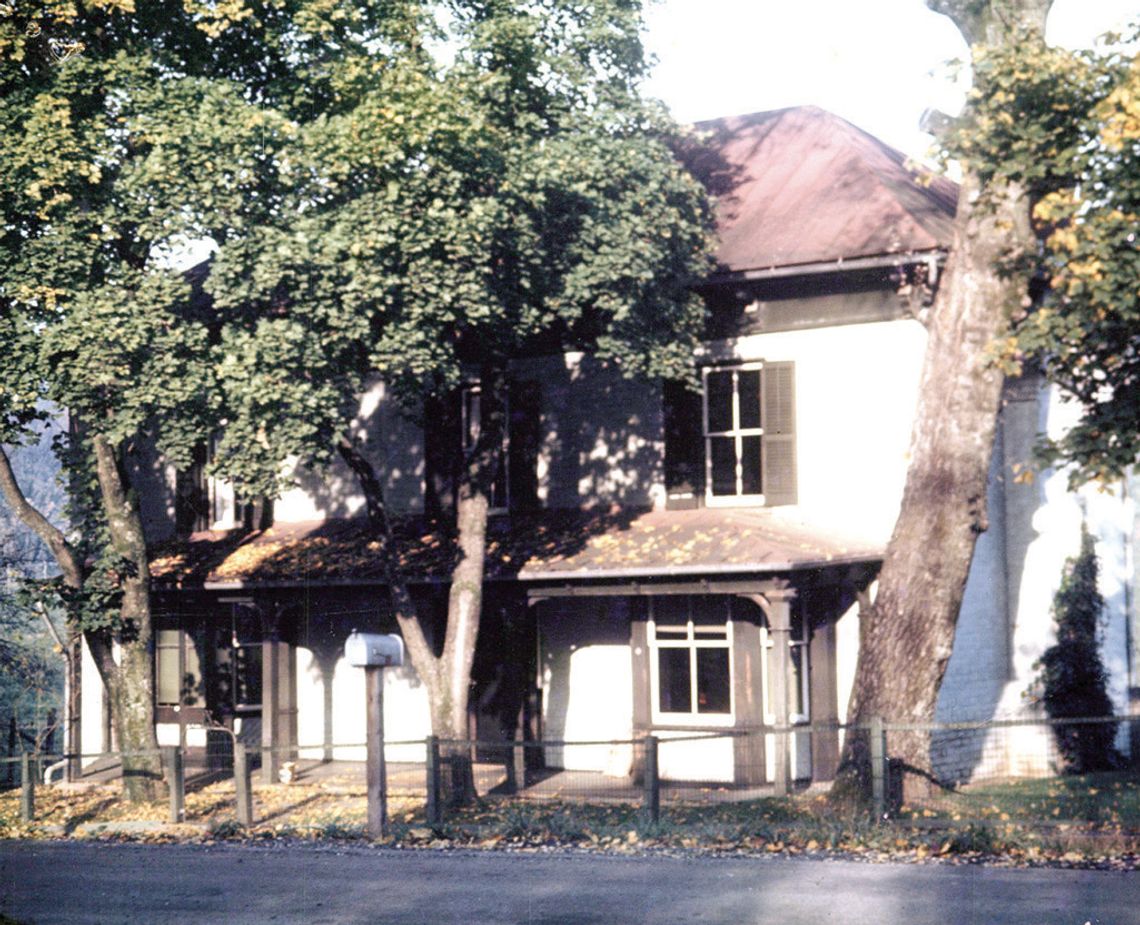
THIS PHOTO shows the house at 301 McLaughlin Street when the turnpike ran directly in front of it. The house, while not a part of Newtown, was built in 1849 by a former slave. The history of the house will be part of the discussion at Sunday’s HLF presentation.

What links Sunnyside farm ‒ where the Kendal at Lexington retirement community is now ‒ with a historic freedmen’s village called Newtown, once located on present Ross Road, and a 175-year-old brick house on the west edge of Lexington?

Cinder Stanton, Tom Contos and Deborah Woodcock will explore the connections between these sites, through stories of the African Americans, enslaved and free, who lived there. They will share their findings on Sunday, May 17, at 2 p.m. at the Kendal at Lexington auditorium.

Stanton, formerly historian at Monticello, has been researching the enslaved population at Sunnyside, the 600acre plantation once owned by the Moore, Barclay and Tutwiler families. She has found the names of over 80 people enslaved there.

Stanton, Contos, and Woodcock discovered that their own residences were connected through the lives of the African Americans who lived and worked at the three sites, raising families, building houses and exercising their rights as citizens. They will talk about people like James Bowlin, who purchased his own freedom in 1806 and earned enough as a cooper to buy a lot on Woods Creek and build a substantial house; Susan and Samuel Charles from Sunnyside, who found a haven at Newtown in freedom; and Margaret Henry, whose parents were probably enslaved at Thorn Hill, who was a Newtown school teacher.

No tickets are required for this free talk, which is sponsored by the Historic Lexington Foundation for Preservation Month.


Share
Rate

Subscribe to the N-G Now Newsletter

* indicates required

Intuit Mailchimp

Lexington News Gazette