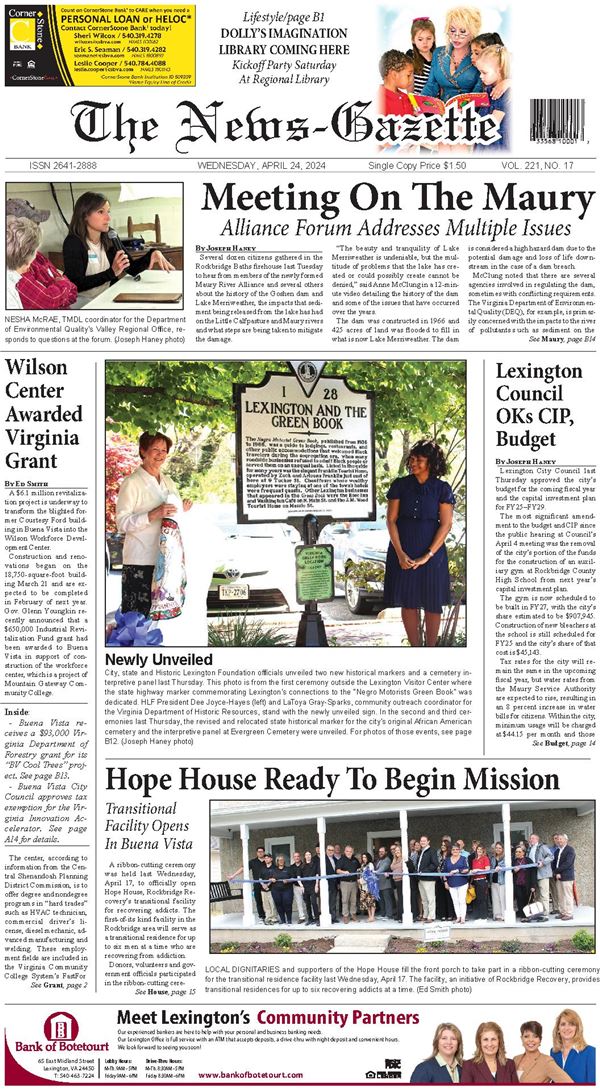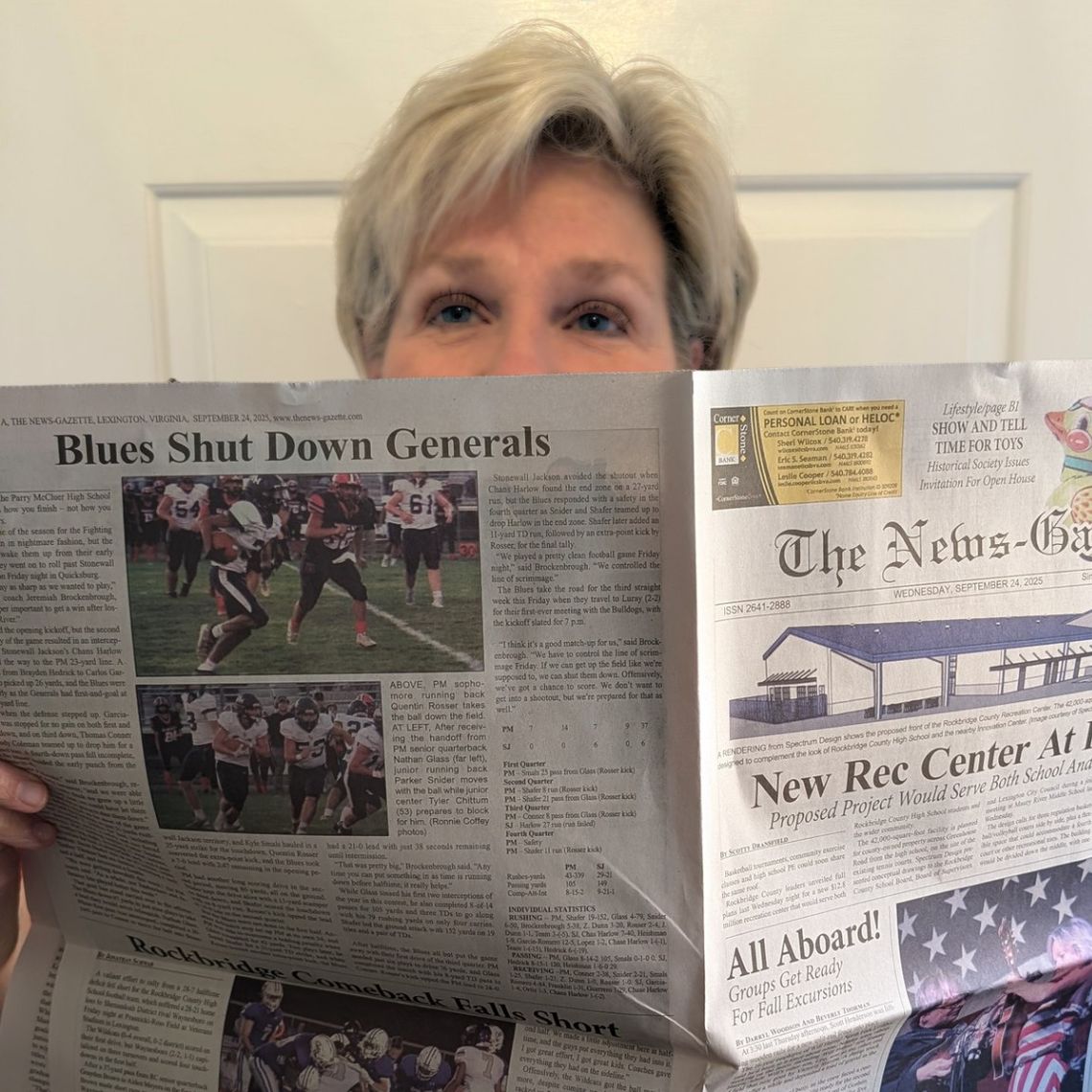
We're taking a personal approach to the interview series this time. We're talking with current employees who have worked at The News-Gazette the longest to find out what it has been like to work at paper.
This week I sat down with Gay Lea Goodbar who is the advertising coordinator. She has worked at The News-Gazette for almost 42 years.
Why did you come to work at The News-Gazette?
Because I wanted something different. I was working at Leggett's and I just wanted something different. My mom told me that this was available but, you know, that was when they didn't know if they wanted to hire me because she worked here. But Jim, who worked with the print shop, his daughter worked here too. There were multiples. Matt and his dad. Johnny - his mom used to work here too as a photographer.
What made you stay here instead of looking for anther job?
I like what I do. I put the ads in for billing. If there are any ads to makeup, I make up the ads. If there are any ads to check for the right colors, or that kind of thing, I'll make those up.
When I first started, we made up a lot of ads and now we don't. There are a few ads that people would make up but when I first started, that were pasted up. It wasn't on a computer. You had a light table and you pasted it up with the little lines. Then if the picture didn't fit, like for real estate because we had a lot of real estate, you had to go back on the cutter and cut it or shave a little off. Or to make them fit, move all of them up. If you got to the bottom and it didn't fit, then you start all over. It's different now. It's a good different.
Back then, I would go out and see people on Mondays and Tuesdays. I'd have to go to the car dealers and to Buena Vista. There were two. Anyway, I just go visit because if they see you, it was hard to say no right to (your) face. Harder than it is over the phone or email.
What kind of education or work background do you have that helps you do your job?
Well, nothing really because I finished school and I went to Dabney, which is Mountain Gateway now. Then I went to Radford but my major was merchandising. So yeah, kind of a business-y.
What are three things you love about working at The News-Gazette?
I guess the people that I work with. That's what I told April [Mikels]. It's like my family - near 40 some years. I grew up with Matt because when I came in, he was doing what I do now. You didn't have a computer to put it in, you had this little journal that you put it in. Then you had to do the dummy [ad] from that. Anyway, soon to be 42 years and I feel like I grew up with them. Darryl was already here, Matt was already here. Lori came a month before I did. I like what I do and I like the people that I work with.
Do you have a favorite funny story from working here?
There was one of the sales guys [here] and he went to Lexington Motors, which was over where CVS is. It was a car ad and it was in the spring. It was actually a President's Day sale so we were putting the clip art we had to use but they didn't want the typical Abraham Lincoln or George Washington. The guy that owned Lexington Motor Sales was Buddy Derrick. He was always president of the company but he was also the mayor of Lexington. So he wanted his picture in the ad for the President's Day sale. Well, the sales person was Pete and he took the Abraham Lincoln hat and put on him [Buddy Derek] just to show it around here. Well actually got in the paper! And the next morning we're like, 'oh my God, it got in. It's in there.'
He called and well, they loved it! They loved it so they wanted copies of it. Of course in the city of Lexington wanted copies because it was the mayor, you know? So that was the funny story, I would say.
How do you feel about newspapers and journalism?
Oh I think it's good. What I hate is, I'm in the old generation who still wants to pick up a newspaper or a magazine and now people don't. That's why we're a dying business, I think. And it's sad and I hate it for us. I mean, this generation does phone or Internet or whatever.
This girl that used to work here, Nancy Bidlock, I ran into her at the post office one day. She was talking about where she came from and her little local newspaper. It's not really local anymore and it's mostly, like, AP stuff. She said it's not like our newspaper. We try to do local, you know? What's going on in the meetings? What's going on in sports? That kind of stuff. Then she said, "I never really realized it until I see how my paper is and see how things are here."